
Across the Taiwan Strait, United by the Heart: Mainland Cardiovascular Experts Gather in Chinese Taipei for Academic Exchange
10 June, 2026
On June 6–7, 2026, the 2026 TAIPEI VALVES Conference and Cross-Strait Cardiovascular Forum was successfully held at Cheng Hsin General Hospital in Chinese Taipei.
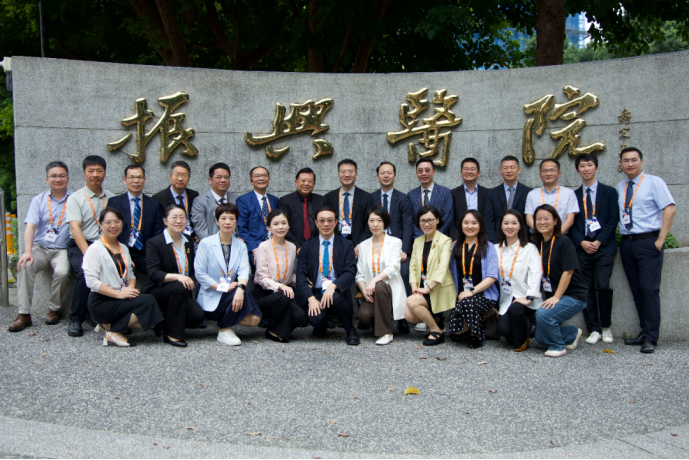
At the invitation of the conference organizers, a delegation of cardiovascular experts from the Chinese mainland attended the meeting. The delegation was led by Professor Wang Yan, President of Xiamen Cardiovascular Hospital Xiamen University (Xiamen Cardiovascular Hospital) and Chairman of the Cardiovascular Committee of the Chinese Medical Doctor Association for Overseas Exchange. The delegation also included Chair-Elect Tang Yida, Vice Chairmen Chen Lianglong, Chen Shaoliang, He Ben, Yang Jinggang, Deputy Secretary-General Wang Zhengnan, and a total of 28 experts from 13 hospitals across five provinces and municipalities on the Chinese mainland.According to the organizers, this was the largest mainland cardiovascular delegation to visit Chinese Taipei for academic exchange in nearly a decade under the long-established cross-strait exchange mechanism between cardiovascular professionals. The event received strong support from the National Health Commission, the Taiwan Affairs Office of the State Council, and the Association for Health Exchange Across the Taiwan Straits, providing an important platform for academic dialogue, mutual learning, and collaborative development.
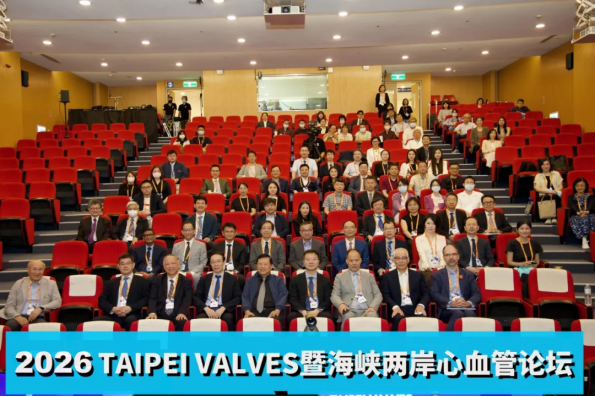
A Long-Awaited Reunion Across the Strait
For many years, medical exchanges across the Taiwan Strait were frequent and close. Benefiting from geographical proximity, cardiovascular specialists from the Chinese mainland and Chinese Taipei maintained regular academic interactions, with live surgical demonstrations and technical workshops taking place every quarter.However, due to various objective factors, no large-scale mainland cardiovascular delegation had visited Taiwan for academic exchange over the past eight years, bringing what had once been vibrant interactions to a temporary pause
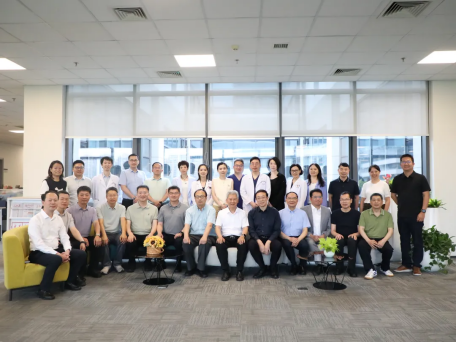
With the joint efforts of all parties, this long-awaited reunion finally became a reality. Carrying eight years of anticipation, friendship, and remarkable achievements accumulated through years of dedication to cardiovascular medicine, the mainland delegation crossed the Taiwan Strait to reconnect with colleagues once again.
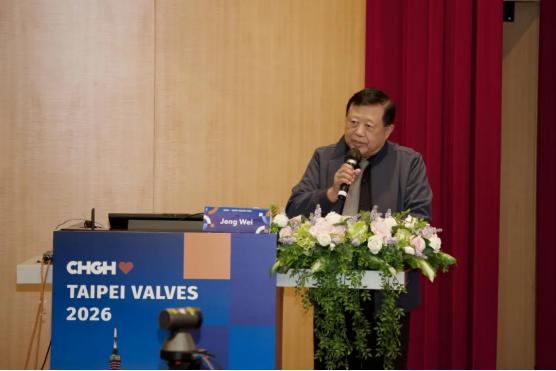
During the opening ceremony, Professor Wei Cheng of Cheng Hsin General Hospital warmly welcomed the mainland delegation. “It has not been easy for our mainland colleagues to visit. We are truly delighted that we can finally gather again. Although we have each developed along our own paths, we share the same roots. Today, artificial intelligence is driving profound transformation in healthcare, making it even more important for us to break down barriers, share experience, and move forward together.” His heartfelt remarks resonated strongly with healthcare professionals on both sides of the Taiwan Strait.
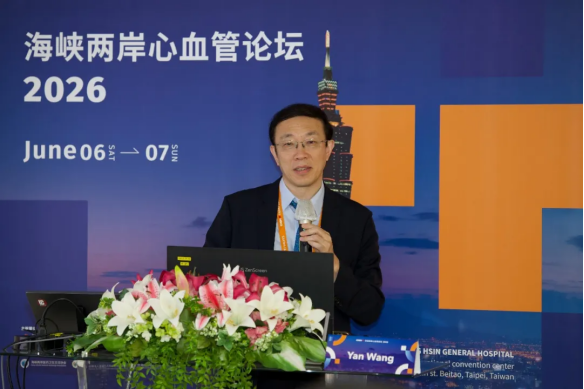
Professor Wang Yan also reflected on the significance of the occasion. “This should be the first delegation of mainland cardiovascular physicians to visit Taiwan for academic exchange in the past eight years.” He recalled that pioneers in the cardiovascular field on both sides had established frequent academic exchanges more than three decades ago, building friendships that have endured over time. He expressed his sincere appreciation to Professor Wei Cheng, Professor Yin Wei-Hsien, and other colleagues in Taiwan for their tremendous efforts in making the exchange possible, while expressing hope that cross-strait medical collaboration would continue to flourish in the years ahead.
Academic Excellence Demonstrates the Rapid Advancement of Mainland Cardiovascular Medicine
After years apart, both sides regarded the forum as an opportunity to share their latest scientific achievements.
Over the two-day meeting, leading cardiovascular experts from both sides presented the latest advances in transcatheter structural heart interventions through keynote lectures, case discussions, and academic exchanges, covering cutting-edge technologies, clinical experience, and emerging knowledge.
The mainland experts showcased years of accumulated clinical expertise and innovative achievements in areas including:
* Transcatheter valve intervention
* Advanced cardiovascular imaging
* Integration of surgery and interventional therapy
* Standardized management of postoperative complications
These presentations comprehensively demonstrated the remarkable progress of mainland China’s cardiovascular medicine and attracted widespread attention from participants.
Live Procedures Highlight China’s Innovative Technologies
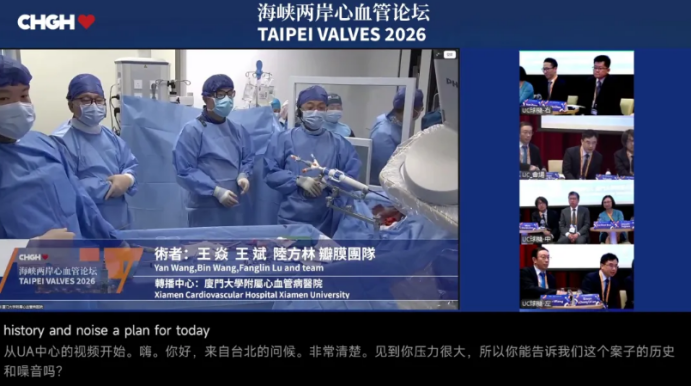
One of the highlights of the forum was the live surgery session, featuring leading multidisciplinary teams from both sides of the Taiwan Strait. Experts from Cheng Hsin General Hospital, Zhongshan Hospital, Fudan University, The Second Affiliated Hospital, Zhejiang University School of Medicine, Beijing Anzhen Hospital, and Xiamen Cardiovascular Hospital Xiamen University (Xiamen Cardiovascular Hospital) jointly performed seven complex live procedures, covering leading structural heart interventions such as:
* Transcatheter Aortic Valve Replacement (TAVR)
* Transcatheter Tricuspid Edge-to-Edge Repair (T-TEER)
* Transcatheter Mitral Edge-to-Edge Repair (M-TEER)
During the procedures, mainland experts skillfully utilized several independently developed Chinese innovative medical devices together with newly developed therapeutic techniques. Their precise procedural strategies, technical proficiency, and excellent outcomes deeply impressed the attending specialists from Taiwan. Many experts commented that mainland China’s cardiovascular medicine has made extraordinary progress over the past decade, particularly in the independent innovation of medical devices and the development of original technologies. Repeated rounds of applause filled the auditorium as experts from both sides strengthened mutual understanding through observation, discussion, and technical exchange.
The forum also featured multiple case competitions over two consecutive days, including sessions on:
* Challenging TAVR Cases
* Coronary Re-access After TAVR
* Challenging Mitral and Tricuspid TEER Cases
* TAVR Complications and Management
* Valve-in-Valve Procedures and Complication Management
* TEER Complications and Management
* Vascular Complications and Their Treatment
Using real clinical cases, participants from both sides engaged in lively discussions that tested clinical reasoning while promoting the exchange of practical experience. Many experts remarked that the rapid development of mainland China’s cardiovascular field and its innovative clinical approaches had left a profound impression on them.
Today’s cross-strait academic exchanges have evolved from one-way learning into true two-way collaboration based on equality and mutual respect. The relationship has progressed from “following” to “advancing side by side.”
Friendship and Medicine Go Hand in Hand
In early summer, Chinese Taipei became a place where scientific innovation and professional friendship came together.
From warm embraces between old friends at the opening ceremony to stimulating discussions at the academic podium, every moment carried special significance. Connected by medical expertise and united through sincere friendship, cardiovascular specialists from both sides deepened mutual understanding, built consensus, and laid a stronger foundation for future collaboration.
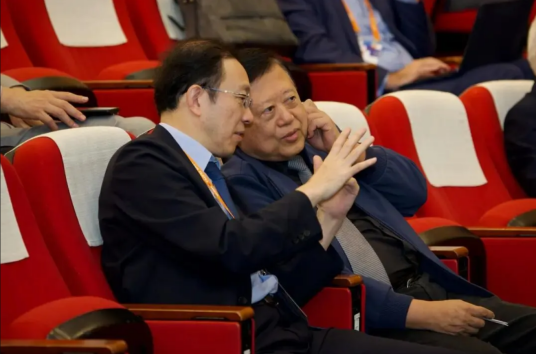
Professor Wang Yan expressed his hope that such exchanges would become increasingly frequent. “We hope to see more events like this, allowing medical professionals from both sides of the Taiwan Strait to meet every year and maintain regular exchanges. The mission of medicine is to protect people’s health. Working together is not only essential for the advancement of our profession but also for safeguarding the health and well-being of people on both sides of the Strait.”
His remarks were warmly echoed by colleagues from Taiwan.Professor Wei Cheng smiled and responded: “Mainland China is so vast—there are still many places I hope to visit.” Although simple, these conversations reflected the shared aspiration of medical professionals on both sides to restore regular academic exchanges.
Looking Ahead
The road ahead may be long, but every step brings us closer to our destination. Although this brief reunion has come to an end, cross-strait medical exchange will continue. With this forum serving as a new starting point, cardiovascular professionals on both sides will continue strengthening cooperation and advancing together. One can almost imagine that next year, the year after, and for many years to come, discussions in Mandarin and Southern Fujian dialect will once again resonate throughout academic conference halls, reflecting not only the exchange of knowledge but also enduring friendship.
May the flowers of medicine continue to bloom on both sides of the Taiwan Strait.
May the bonds of kinship and friendship grow ever stronger with each reunion.
share


Latest News
-
05 July, 2026
Advancing Global Collaboration, Strengthening Lipid Management | World-Renowned Expert Professor Kausik Kumar Ray Visits Xiamen Cardiovascular Hospital for Academic Exchange


-
10 June, 2026
Across the Taiwan Strait, United by the Heart: Mainland Cardiovascular Experts Gather in Chinese Taipei for Academic Exchange
-
09 June, 2026
Xiamen Cardiovascular Hospital Invited to Participate in the 2026 China–Latin America Dialogue on Governance Experience Sharing and Mutual Learning Among Civilizations